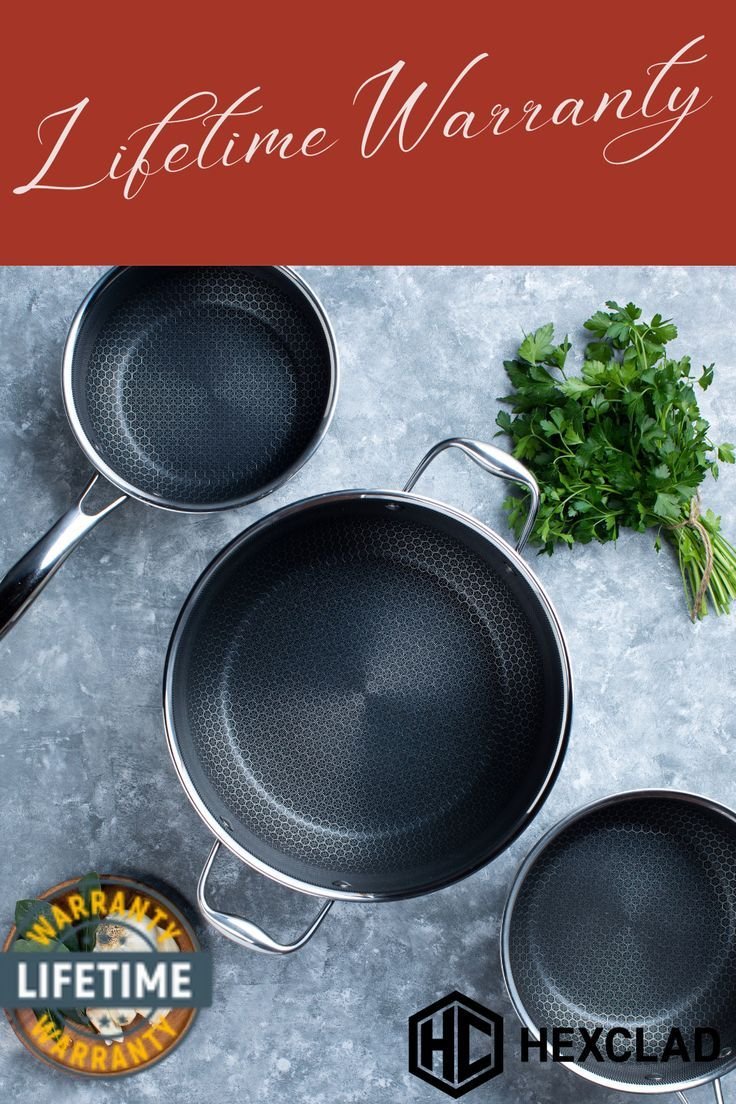
Investing in premium cookware like HexClad promises a blend of non-stick convenience and stainless steel durability—a tantalizing proposition for any home chef. But beyond the gleaming marketing, what’s the real story behind HexClad Durability, Warranty & Lifespan Assessment? Will your skillets truly last a lifetime, or are there hidden caveats you need to understand?
As a seasoned culinary expert and journalist, I've seen countless cookware brands come and go, each with grand claims. HexClad stands out with its unique hybrid design, but like any finely crafted tool, its longevity hinges on understanding its construction, adhering to proper care, and knowing the specifics of its warranty. This comprehensive guide will peel back the layers, giving you an honest, in-depth look at what to expect from your HexClad investment, how to maximize its life, and precisely what HexClad's warranty covers—and, crucially, what it doesn't.
At a Glance: Your HexClad Expectations
- Designed for the Long Haul: Many HexClad products, especially cookware, are intended to last a lifetime with proper care.
- Warranty Varies Widely: While cookware often carries a Lifetime Warranty, other products like BBQ tools, mixing bowls, and apparel have shorter terms (2-year, 1-year, or 30-day).
- Original Purchase is Key: Warranties are non-transferable and only cover products bought new from HexClad or authorized sellers by the original customer or gift recipient. Proof of purchase is essential.
- Care is Paramount: Failure to follow HexClad's care and use guidelines, or using products commercially, voids most warranties. "Normal wear and tear" (cosmetic issues not affecting performance) is generally excluded.
- Activation Required: For lifetime warranties, you typically need to submit a form to activate coverage.
- Replacements, Not Refunds: HexClad will replace covered damaged products, though you might be responsible for return shipping.
The HexClad Promise: A Hybrid Built for Endurance
HexClad's core innovation lies in its hybrid design: a laser-etched stainless steel hexagon pattern on a traditional non-stick surface. This unique construction aims to offer the best of both worlds—the searing capabilities and robust structure of stainless steel combined with the easy food release of non-stick.
The stainless steel lattice protects the non-stick coating, making HexClad significantly more scratch-resistant than conventional non-stick pans. This protection is a major factor in its acclaimed durability. Unlike typical non-stick pans that might degrade rapidly with metal utensil use, HexClad is designed to withstand a greater degree of kitchen rough-and-tumble. However, "scratch-resistant" doesn't mean "scratch-proof," and thoughtful use still extends its life considerably.
The three-ply construction—alternating layers of magnetic stainless steel, aluminum, and more stainless steel—ensures even heat distribution and prevents warping, a common bane of cheaper cookware. This structural integrity contributes greatly to the long-term performance and perceived lifespan of HexClad pieces.
Deciphering the HexClad Warranty: Your Essential Guide
Understanding HexClad's warranty isn't just about what's covered; it's about knowing the specific conditions and exclusions that apply to each product type. The overarching rule is clear: the warranty is limited to the original customer or gift recipient, requires proof of purchase, and covers products bought new from HexClad or an authorized seller. It's non-transferable. Beyond these general tenets, the details vary significantly.
Lifetime Warranty: The Long Haul for Core Products
This is where HexClad makes its boldest claims, covering a range of its most popular and heavily used products against manufacturer's defects for a lifetime. But "lifetime" isn't a blank check; it comes with specific boundaries.
Cookware (Pans, Woks, Pots, etc.)
- What's Covered: Manufacturer's defects in materials and workmanship. This means if your pan arrives with a defect from the factory, or if a structural flaw appears under normal use, HexClad should address it.
- Key Exclusions: This is critical. The warranty does not cover:
- Improper use: This includes excessive heat, abuse, neglect, improper storage, misuse of sharp utensils, improper cleaning, or incorrect seasoning. For instance, repeatedly blasting an empty pan on high heat will likely void your coverage.
- Foodservice use: HexClad products are designed for home kitchens. Using them in a restaurant or other commercial setting is not covered.
- Normal wear and tear: Cosmetic blemishes, minor discoloration, or slight dulling that don't affect the pan's cooking performance are not considered defects. This means scratches that don't compromise the non-stick layer, for example, might not be covered.
Cutlery (Knives)
- What's Covered: Manufacturer's defects. A blade snapping under normal cutting, for instance, might be covered.
- Key Exclusions: Cutlery has some particularly stringent exclusions:
- Improper use/storage: Such as leaving knives wet or soaking.
- Accident, loss, theft.
- Cutting on hard surfaces: Always use a proper HexClad cutting board or another wood/plastic surface; don't cut on stone countertops or metal.
- Prying, twisting, bending, cutting frozen/hard-shelled foods.
- Dishwasher use: This is a big one. HexClad knives are NOT dishwasher safe. The harsh detergents and high heat can damage the pakkawood handles and promote rust.
- Knives left soaking/standing in water or not dried immediately.
- Specific damage: Dulled blades (which are expected with use and require sharpening), pakkawood handle damage (unless a defect), rust, discoloration, and bent/broken/chipped/snapped knife blades (if due to misuse).
HexMills (Pepper/Salt Mills)
- What's Covered: Manufacturer's defects.
- Key Exclusions:
- Improper use: Abuse, neglect, improper storage.
- Foodservice use.
- Damage from acidic/corrosive products: A common pitfall is using salt in a pepper grinder. The corrosive nature of salt can damage the grinding mechanism designed for pepper.
Kitchen Tools (Spatulas, Tongs, Ladles)
- What's Covered: Manufacturer's defects.
- Key Exclusions:
- Improper use: Abuse, neglect, improper storage.
- Foodservice use.
- Exposure to direct flames/temperatures above 450ºF (232ºC): While HexClad cookware is oven safe to higher temperatures, most kitchen tools are not designed for direct flame contact or extreme sustained heat.
- Normal wear and tear: Cosmetic blemishes that don't affect performance.
Two-Year Warranty: BBQ Tools
- What's Covered: Manufacturer's defects.
- Key Exclusions: Normal wear and tear, accidents, misuse, foodservice use, and cosmetic damage. Given the rugged nature of BBQ, it's particularly important to note that cosmetic damage from outdoor use is generally not covered.
One-Year Warranty: Everyday Essentials
This category covers products that might see less extreme use or have different material compositions.
Mixing Bowls, Splatter Screen, Steamer Basket Set
- What's Covered: Manufacturer's defects.
- Key Exclusions: Normal wear and tear, accidents, oven use (for mixing bowls), dishwasher use (for mixing bowls), foodservice use, and cosmetic damage. Pay close attention to the "dishwasher use" exclusion for mixing bowls, as it means hand-washing is recommended to preserve the warranty.
Thirty-Day Warranty: Fabric & Wood Goods
These products are generally less about long-term culinary performance and more about immediate quality.
Aprons and Totes, Apparel
- What's Covered: Defects in workmanship and material for a short period.
- Key Exclusions: Failure to adhere to care instructions, neglect, accidental/intentional damage, normal wear and tear, exposure to hot dryers/irons (Aprons & Totes), bleach, or harsh cleaning chemicals/spot removers. Always check the washing labels.
Wood Products (Cutting Boards, Bistecca Plates)
- What's Covered: Defects in workmanship and material.
- Key Exclusions: Neglect, accidental/intentional damage, normal wear and tear, misuse, unauthorized repair, exposure to extreme temperatures/humidity, alteration/abuse, or foodservice use. Notably, "cosmetic imperfections due to natural wood composition" are also not covered—so don't expect perfectly uniform grain or color.
Limited-Time and Limited-Release Items
If you snagged a unique HexClad item, be aware that while it's covered by the stated warranty, an exact replacement might be impossible. HexClad reserves the right to substitute with a comparable item that may differ in color, finish, or customization.
Activating and Claiming Your Warranty
To ensure your Lifetime Warranty is active, HexClad typically requires you to submit a form. This step is crucial and easy to overlook. You can find details on the process and specific requirements on the official HexClad website or by searching for "HexClad warranty activation".
Should a covered product need replacement, HexClad will usually handle it, but customers may be responsible for return shipping fees. Keep your proof of purchase handy, as it's non-negotiable for any warranty claim.
Maximizing Your HexClad's Lifespan: Care & Maintenance is King
The single most impactful factor in your HexClad's lifespan and warranty validity isn't the material science—it's you. Proper care and maintenance can dramatically extend the life of your cookware, often well beyond general expectations. Think of it like a high-performance car: it's built to last, but only if you follow the maintenance schedule.
Heat Management: The Silent Killer of Cookware
HexClad cookware excels at even heating, which means you rarely need high heat.
- Medium Heat is Your Friend: Most cooking, even searing, can be done effectively on medium heat. High heat, especially when the pan is empty, can degrade the non-stick coating over time and potentially lead to warping.
- Avoid Thermal Shock: Never plunge a hot pan into cold water. Let it cool down gradually before cleaning. Sudden temperature changes can stress the materials and lead to warping or cracking.
Utensil Wisdom: Respect the Surface
While HexClad is metal utensil safe, it's not invincible.
- Silicone, Wood, Nylon Preferred: These materials are the gentlest on your pan's surface and will undoubtedly extend the life of the non-stick coating.
- Careful with Metal: If using metal, avoid sharp edges or scraping aggressively. Poking, stirring, and flipping are fine, but try to minimize direct, forceful contact with the surface. Consider how HexClad compares to All-Clad in terms of utensil tolerance; All-Clad's full stainless surface allows more aggressive metal use.
Seasoning: A Simple Step for Lasting Performance
Seasoning your HexClad cookware helps to enhance its non-stick properties and protect the surface.
- Initial Seasoning: When you first get your pan, a quick seasoning process is recommended. Heat the pan on medium-low, add a tablespoon of high smoke point oil (like grapeseed or avocado), swirl to coat, and let it heat for 2-3 minutes. Wipe out excess oil.
- Ongoing Maintenance: Re-season periodically, especially if you notice food sticking more often. It's a small step that yields big results. For a detailed guide, check out how to season your HexClad pan correctly.
Cleaning Best Practices: Gentle and Thorough
Cleaning is where many well-intentioned cooks accidentally shorten their cookware's life.
- Hand Wash Recommended: Even if HexClad items are listed as "dishwasher safe," hand washing is always preferred. Dishwashers expose items to harsh detergents, high temperatures, and abrasive sprays that can prematurely wear down coatings and finishes. This is a commonality when you compare HexClad to Caraway, where hand washing is strongly advised for both.
- Warm Soapy Water: Use a soft sponge or cloth. For stubborn spots, a non-abrasive scrubber (like a Dobie pad) can be used gently.
- No Abrasive Cleaners or Steel Wool: These will scratch and damage the non-stick coating and stainless steel pattern.
- Bar Keepers Friend for Stainless Steel: For exterior stainless steel discoloration or tougher stains, Bar Keepers Friend can work wonders, but always avoid using it on the non-stick interior.
- Drying: Always dry your cookware immediately after washing to prevent water spots and rust, especially for cutlery. For comprehensive tips, refer to a HexClad cleaning guide.
Proper Storage: Protecting Your Investment
- Avoid Stacking: Don't stack pans directly on top of each other without protection. Use pan protectors, paper towels, or soft cloths between pieces to prevent scratches.
- Hanging is Ideal: If you have the space, hanging your pans keeps them separate and easily accessible.
Common Questions & Misconceptions About HexClad Longevity
Let's address some of the persistent questions and myths surrounding HexClad's durability and lifespan.
"Is HexClad truly non-stick forever?"
No cookware, including HexClad, will remain perfectly non-stick forever in the same way it was on day one. All non-stick coatings degrade over time with use, heat, and cleaning. The HexClad hybrid design, with its protected non-stick valleys, significantly extends the effective non-stick lifespan compared to traditional coatings. However, expect some eventual decrease in non-stick performance over many years, particularly in heavily used areas. Proper seasoning and care are your best defense against this natural degradation.
"Can I really use metal utensils?"
Yes, you can use metal utensils, and this is a key selling point for HexClad. The stainless steel pattern protects the non-stick coating from much of the wear and tear that would destroy a conventional non-stick pan. However, "metal utensil safe" is not "metal utensil impervious." Aggressive scraping, poking, or using very sharp tools (like knife tips) can still cause damage over time. Think of it as allowing occasional use, not an invitation for abuse. So, while a stainless steel pan like those from Calphalon might tolerate more aggressive metal use on its entirely metal surface, HexClad offers a robust compromise for non-stick.
"Why did my HexClad pan warp?"
While HexClad is designed to resist warping, it's not impossible. The primary culprit is almost always extreme or rapid temperature changes (thermal shock). Heating an empty pan on very high heat for an extended period, or plunging a very hot pan directly into cold water, can cause the metal to expand and contract too quickly, leading to warping. Sticking to medium heat for preheating and allowing pans to cool before washing will prevent this issue.
"Does HexClad rust?"
HexClad cookware is made with stainless steel, which is highly rust-resistant but not rust-proof, especially under certain conditions. Rust is most commonly seen with HexClad cutlery if knives are left soaking in water, not dried immediately after washing, or run through a dishwasher (which is explicitly excluded from the warranty). For HexMills, using corrosive products like certain salts in a grinder not designed for it can also lead to rust. Proper drying and adherence to care instructions prevent almost all rust issues.
"Is 'normal wear and tear' just an excuse to deny claims?"
"Normal wear and tear" is a standard exclusion in most warranties, not just HexClad's. It refers to the expected cosmetic changes that occur with regular use over time that do not impact the product's fundamental performance. This could include minor scratches that don't compromise the non-stick ability, slight discoloration from heat, or minor dings from handling. If a scratch, for example, causes the non-stick to fail completely or the pan to warp, then it moves beyond "normal wear and tear" and into potential defect territory. The key is whether the item still performs its intended function effectively. If you're comparing a pan like HexClad to say, Le Creuset, you'd expect different types of wear; Le Creuset's enamel might chip, while HexClad's non-stick might show subtle degradation.
The Verdict: Is HexClad Worth the Investment for the Long Run?
After assessing the construction, warranty specifics, and real-world care requirements, the answer is a qualified yes: HexClad can absolutely be a worthwhile, long-term investment for your kitchen.
Its hybrid design truly does offer a unique blend of performance and durability that many other cookware types struggle to achieve. You get the searing capability and robustness of stainless steel with the user-friendliness of non-stick, making it versatile for a wide range of cooking tasks.
However, the "lifetime" promise isn't a magical shield. It's a commitment from HexClad that stands firm if you, the user, uphold your end of the bargain. This means:
- Understanding the Specific Warranty: Know what's covered for each item you own, and more importantly, what's explicitly excluded.
- Diligent Care and Use: Follow HexClad's recommended guidelines for heat, utensils, cleaning, and storage. These aren't just suggestions; they're prerequisites for getting the most out of your cookware and keeping your warranty valid.
By approaching your HexClad products with informed expectations and a commitment to their care, you can genuinely enjoy their benefits for many years, potentially a lifetime of delicious meals. It's a premium product that delivers on its promise, provided you treat it like one.
So, go forth and cook with confidence, armed with the knowledge to make your HexClad investment a truly lasting one.